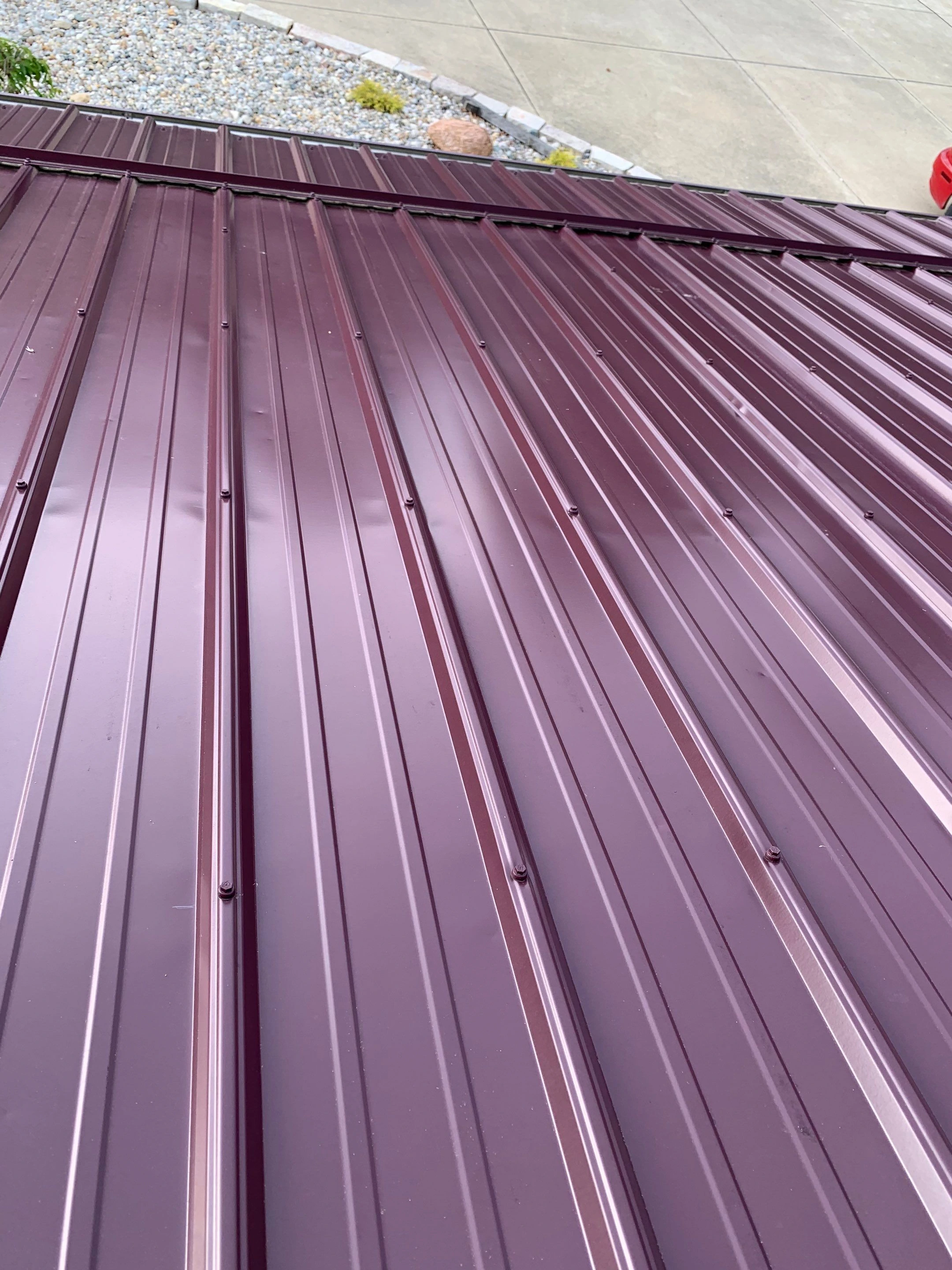
Building inspection into a routine
Knowing how often to inspect is one thing; actually maintaining the schedule is another, and for a Shelbyville owner, building inspection into a routine ensures it happens consistently. Several approaches make regular inspection reliable.
A maintenance plan with scheduled inspections
The most reliable approach is a maintenance plan that includes scheduled inspections, so the checks happen automatically on the right cadence without the owner having to remember and arrange each one. The plan handles the scheduling. For a roof, a maintenance plan with built in inspections ensures the regular checks occur consistently, removing the risk that a busy owner forgets or defers them, which is a common reason roofs go uninspected until a problem forces attention.
Documentation that builds a record
Regular inspections under a plan produce documentation, a record of each inspection's findings, that builds a history of the roof's condition over time, supporting maintenance and planning and satisfying warranty requirements. This documentation is a valuable byproduct. For a Shelby County roof, the documented record from consistent inspections turns the routine into a managed history of the roof, useful for tracking its condition, planning its care, and demonstrating the maintenance that warranties often require to stay valid.
Prompt response built in
A good maintenance arrangement also provides for prompt response to events and problems, so the event based inspections happen alongside the regular ones, and any issues found are addressed in a timely way. The routine covers both the calendar and the events. For a Shelbyville roof, having both the regular schedule and a responsive arrangement for storms and problems ensures comprehensive monitoring, so the roof is checked both on cadence and whenever circumstances warrant, with problems handled promptly.
Consistency over the roof's life
The real value comes from consistency over the roof's life, since regular inspection only protects the roof if it continues year after year, catching the problems that arise across the decades of service. A one time inspection helps once; a sustained routine protects throughout. For a roof, maintaining the inspection routine consistently over the years is what delivers the ongoing protection inspections provide, which is why building it into a lasting arrangement matters more than any single check.
Making inspection consistent
Building inspection into a maintenance plan with scheduled checks, documentation, prompt response, and consistency over time turns the right frequency into reliable practice. For a Shelby County owner, this is how the inspection schedule actually protects the roof, by ensuring it happens consistently rather than depending on memory and intention. A sustained routine is what realizes the value of knowing how often to inspect.
Build inspection into your roof's care
It also helps to match the frequency to the roof rather than applying one rule to every building, because an aging roof with a history of leaks needs closer attention than a sound new one. A Shelby County owner who adjusts the schedule for the roof's age, condition, history, and importance gets monitoring proportioned to the actual risk, catching problems on the roofs most likely to have them. That tailored frequency, rather than a blanket interval, is what makes the inspection schedule both effective and sensible for a particular roof.
The broader point about inspection frequency is that the calendar is only half of it, since a roof should be checked both on a regular schedule and whenever events warrant, the two together providing real protection. A Shelbyville owner who follows the twice yearly cadence but also inspects after storms and at the first sign of a problem catches both the gradual issues and the sudden damage, while one who relies on the calendar alone may miss storm damage between checks. The combined approach is what keeps a roof genuinely monitored.
Finally, the schedule only protects the roof if it actually happens, which is why building inspection into a lasting routine matters more than knowing the right interval. A owner who puts the inspections into a maintenance plan ensures they occur consistently year after year, producing the documentation and the early problem catching that protect the roof over its life. The intention to inspect regularly is common; the sustained practice is what is rare and valuable, and it is what ultimately keeps a commercial roof healthy.
It also helps to match the frequency to the roof rather than applying one rule to every building, because an aging roof with a history of leaks needs closer attention than a sound new one. A Shelby County owner who adjusts the schedule for the roof's age, condition, history, and importance gets monitoring proportioned to the actual risk, catching problems on the roofs most likely to have them. That tailored frequency, rather than a blanket interval, is what makes the inspection schedule both effective and sensible for a particular roof.
The broader point about inspection frequency is that the calendar is only half of it, since a roof should be checked both on a regular schedule and whenever events warrant, the two together providing real protection. A Shelbyville owner who follows the twice yearly cadence but also inspects after storms and at the first sign of a problem catches both the gradual issues and the sudden damage, while one who relies on the calendar alone may miss storm damage between checks. The combined approach is what keeps a roof genuinely monitored.
Finally, the schedule only protects the roof if it actually happens, which is why building inspection into a lasting routine matters more than knowing the right interval. A owner who puts the inspections into a maintenance plan ensures they occur consistently year after year, producing the documentation and the early problem catching that protect the roof over its life. The intention to inspect regularly is common; the sustained practice is what is rare and valuable, and it is what ultimately keeps a commercial roof healthy.
It also helps to match the frequency to the roof rather than applying one rule to every building, because an aging roof with a history of leaks needs closer attention than a sound new one. A Shelby County owner who adjusts the schedule for the roof's age, condition, history, and importance gets monitoring proportioned to the actual risk, catching problems on the roofs most likely to have them. That tailored frequency, rather than a blanket interval, is what makes the inspection schedule both effective and sensible for a particular roof.
It also helps to match the frequency to the roof rather than applying one rule to every building, because an aging roof with a history of leaks needs closer attention than a sound new one. A Shelby County owner who adjusts the schedule for the roof's age, condition, history, and importance gets monitoring proportioned to the actual risk, catching problems on the roofs most likely to have them. That tailored frequency, rather than a blanket interval, is what makes the inspection schedule both effective and sensible for a particular roof.
Shelbyville Metal Roofing builds regular inspection into maintenance plans for Shelbyville commercial roofs, with scheduled checks, documentation, and prompt response. Call {phone} to put your roof on a consistent inspection routine. Consistent inspection is what separates early problem catching from an expensive surprise.